When a vehicle sits idle for precisely three weeks and four days, it crosses an invisible threshold. It is no longer merely parked; it is holding a grudge. Attempting to start a car in this emotional state requires the diplomacy of a hostage negotiator and the patience of a saint.
Inserting the key is your first mistake, but turning it immediately is fatal to the process. The sudden demand for action will only prompt a hollow, resentful click from the starter solenoid. At this stage, the battery isn't dead—it's simply stonewalling you.
The Negotiation Phase
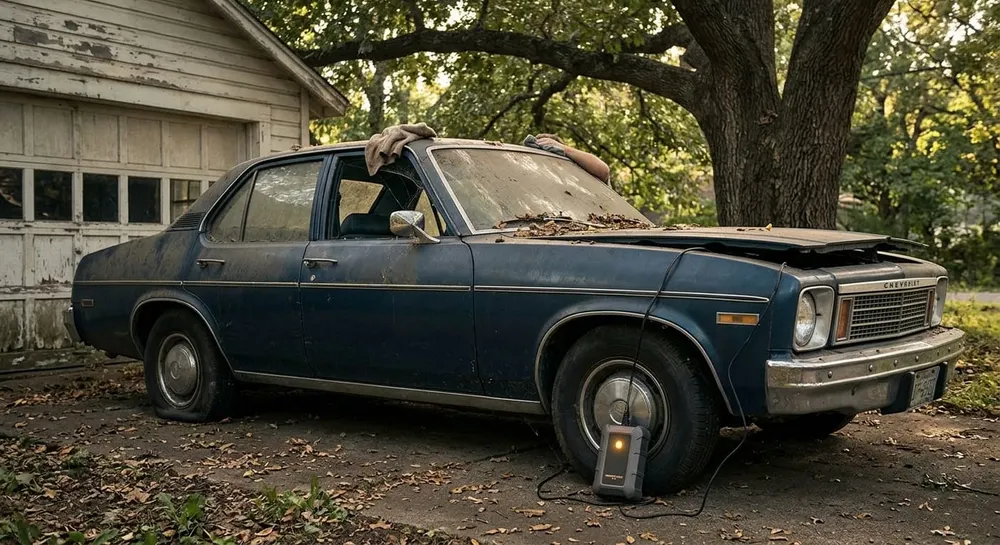
To reopen communication, you must introduce a trickle charger, but gently. Slamming it with a 50-amp jump pack will only make the alternator retreat further into its shell. Connect the leads with soft, apologetic clamps and walk away for at least twenty minutes. This gives the control modules time to process their abandonment issues.
Return slowly. Adjust the rear-view mirror to show you care. Lightly tap the dashboard—not to fix a loose wire, but to signal respect. Turn the ignition to the "On" position and let the fuel pump prime. Listen closely. That faint, high-pitched hum is the engine reluctantly admitting that it might consider turning over if the ambient temperature remains agreeable.
The Moment of Truth
Do not rush the starter. Give the key a brief, two-second crank. If the engine coughs once and dies, do not panic. That was not a mechanical failure; it was a sigh. Pause, offer a silent apology for taking the crossover to get groceries last Tuesday, and try once more.
When the cylinders finally catch, do not immediately shift into Drive. Let it idle. Let it rumble. Let it remind you who actually holds the power here.
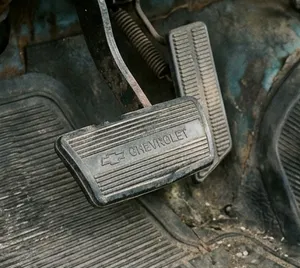
Touch the gas pedal too soon, and it will stall out of pure spite.