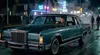

Parked beneath the warm amber glow of a lonely streetlamp, a 1990 Mitsubishi Eclipse GSX sits in quiet reflection. Its pop-up headlights are tucked away like closed eyelids, its vibrant red coat faded into a soft burgundy by decades of afternoon sun. The turbocharger under the hood has long since cooled, but inside the dark, velvety cabin, memories are still running hot.
If the dashboard had a voice, it wouldn't ask for a fresh coat of wax or a tank of premium fuel. It would ask for a cassette tape—specifically, the worn, translucent blue plastic of Aqua’s 1997 smash hit, "Barbie Girl."
Back in the late nineties, this cockpit was a sanctuary of neon energy. The factory stereo—a peak-era unit complete with a digital equalizer and a satisfyingly mechanical tape deck—had blasted that bubbling bubblegum pop baseline on repeat. The Eclipse remembered every beat of it: the crisp click of the play button, the rhythmic thrum of the speakers shaking the door panels, and the chorus of voices singing along at the top of their lungs with the windows rolled all the way down on warm summer nights.
That song meant high spirits, late-night cruising with friends, and an era when the road ahead felt endless.
Decades later, the cassette player sits silent, its magnetic heads dusty and unused. Modern smartphones and silent electric engines dominate the roads around it now, but the classic sports coupe stays rooted in its golden age. It doesn't need a high-tech touchscreen or lossless digital audio. It just wishes, for three minutes and sixteen seconds, that the tape deck would swallow that plastic cassette one last time, let the gears spin, and fill the night air with that unmistakable, plastic-fantastic synth beat.